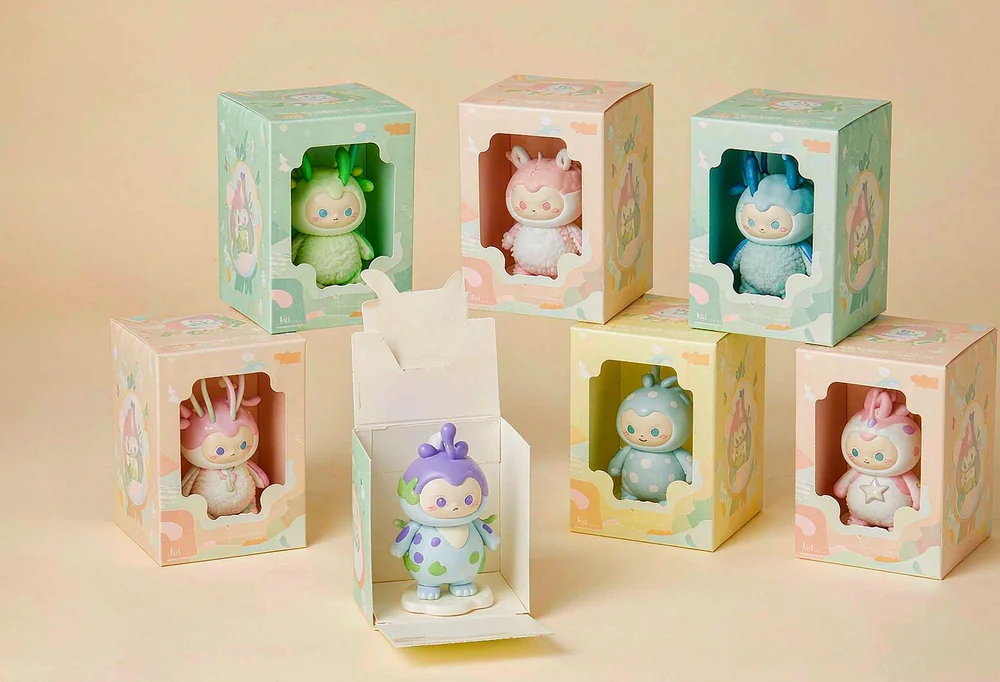
Blind Box & Art Toys
Goal: collectibility and repeat purchase. Series with secret figures, ratio control and sealed packaging.
Ferpar turns characters, logos and artwork into sellable plush merch. We produce blind box series, keychains, bag charms, backpacks and pillows from 100 pcs per design. Every item is tested to EN71, ASTM F963 and CE. NDA before file review.
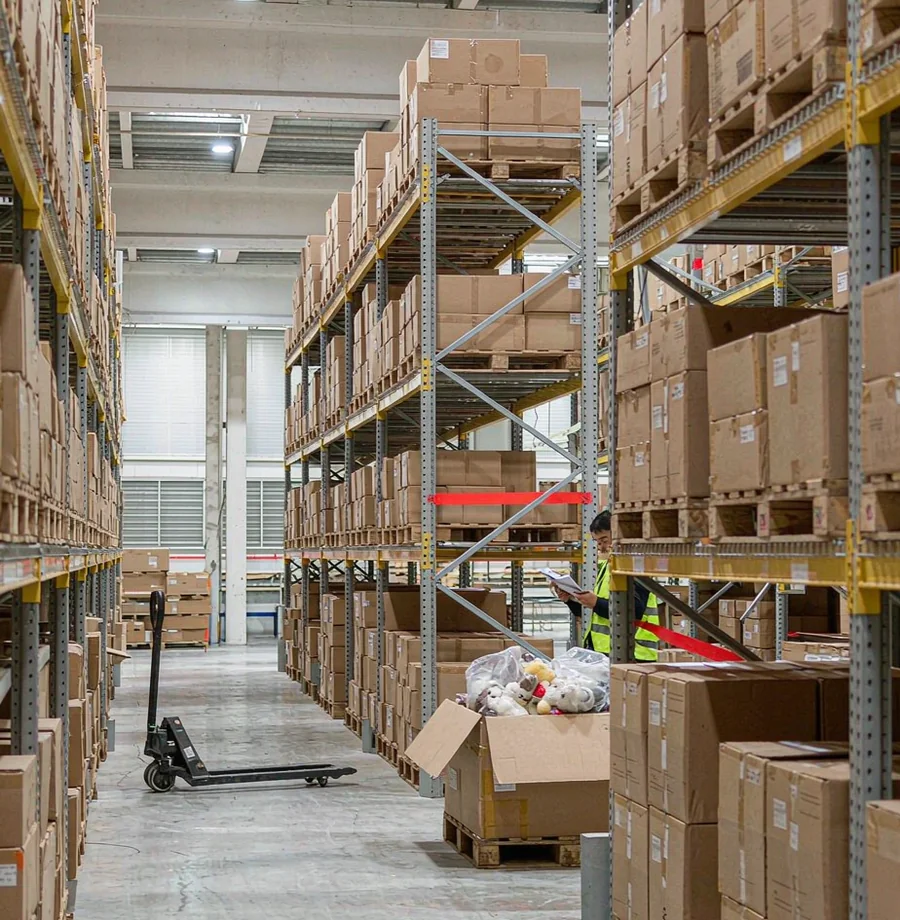
6 designs × 100 pcs. Series sample in 10–15 days.
Per design. Sample in 5–7 days.
Per design. Sample in 7–10 days.
All merch formats.
Merch lines grow in stages: a crowdfunding test, a convention drop, a retail rollout. We keep your patterns and approved colors on file, so a reorder or new colorway doesn’t restart the development cost.
We are an OEM plush accessories wholesale partner for IP owners, designers and distributors, and a bespoke plush merch factory for first-time launches.

Goal: collectibility and repeat purchase. Series with secret figures, ratio control and sealed packaging.
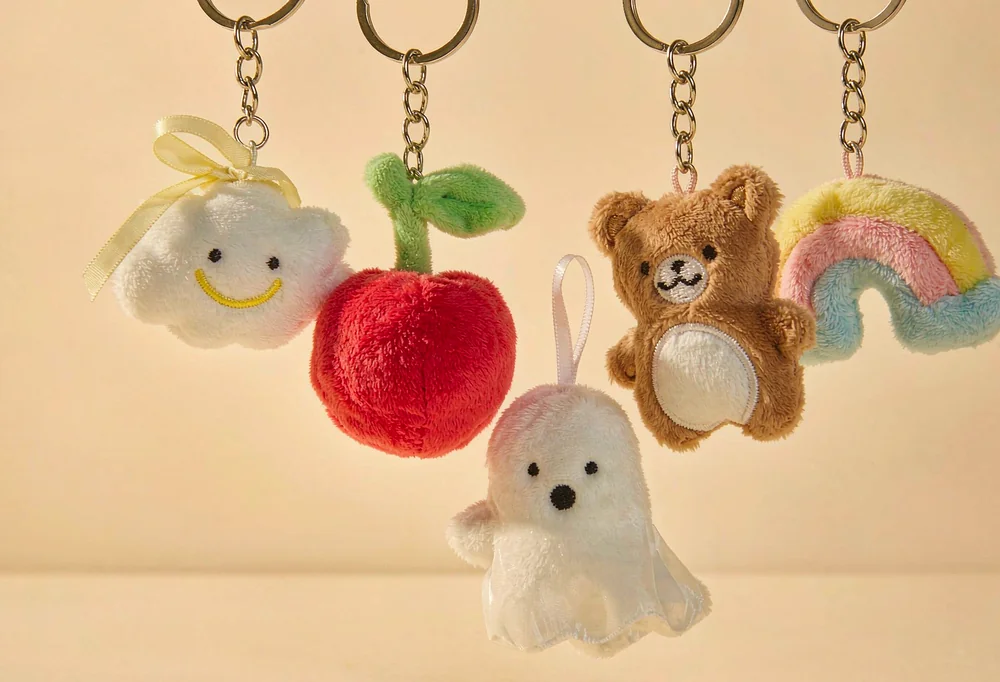
Goal: volume and low unit cost. Mini plush for giveaways, retail and fan stores.
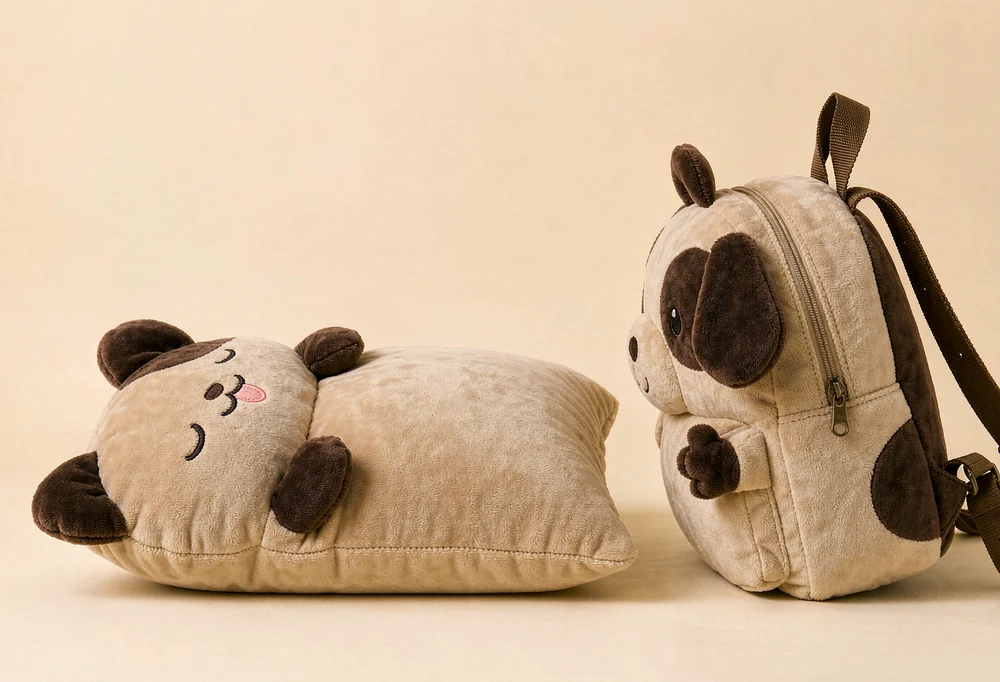
Goal: daily use and higher ticket price. Functional plush with load-tested straps and compressed packing.
100 pcs per design lets you test demand before a large run.
Fabric lots and Pantone approvals are archived per project.
NDA, serial-numbered samples and licensing document checks.
Barcode, hang tag, polybag, display box and FBA labeling.
EN71, ASTM F963, CE tested, with documents on request.

100–300 pcs per design (crowdfunding or convention).
Reorder best sellers plus 2–3 new designs.
Series production with mixed SKUs and retail packaging.
Add functional plush and keychains to broaden price points.
Buyer FAQ · Plush Merch
Keychains, blind boxes, pillows and bags — four answers that apply across the range.
Own sampling room · 10+ years OEM · NDA before file review
Ask a production question100 pcs per design covers keychains, charms, small pillows and standard blind box figures; it rises to 200–300 for oversized pillows and to 500+ where packaging or an all-over print carries its own tooling.
The practical rule: the plush is cheap to start, the packaging is not. A custom printed display box or moulded tray usually starts at 500–1,000 units, so a first drop often ships in stock packaging while the retail box waits for the reorder.
We sample the hardest two first — normally the one with the most embroidery and the one with the tightest tolerance — because if those pass, the rest follow the same construction. That is 7–10 days from approved artwork, and a second round covers the remaining SKUs in parallel.
Sampling all six at once wastes a round when a shared component turns out wrong. Our sampling room is in-house, so a fix is a same-week change rather than a three-week queue.
Yes — a 50–100 piece trial per SKU is normal for a first drop, and mixed SKUs ship in one carton with individual barcodes and hang tags. The trial carries a transparent surcharge rather than a blended unit price, and the approved sample is held as the golden reference.
What we will not do is run a trial on a cheaper fabric than the bulk order. That is how a test drop produces misleading sell-through data.
The plush body follows EN 71-1/-2/-3 and ASTM F963 plus CPSIA. Hardware adds two things: nickel release under REACH for skin-contact parts such as keyrings, and a small-parts assessment where the item is age-graded below three.
Blind box items also need assortment and age labeling to match across the box, the carton and the listing. We document each SKU separately, sign an NDA before artwork review, and test at material lot level so a reorder cannot quietly change the report.